FAQ Center
What Does Rooval Deck & Beam Do?
At Rooval Deck & Beam Builders, we build the outdoor spaces where Utah families actually spend their summers — and the interior woodwork that gives a home its character.
From backyard decks to shaded pergolas and patio covers, to structural and decorative wood beams inside the home, we design and build custom, code-built projects across Lehi and Utah County. We’re a family-owned, licensed and insured Utah builder and part of the Rooval family of companies, alongside Rooval Roofing.
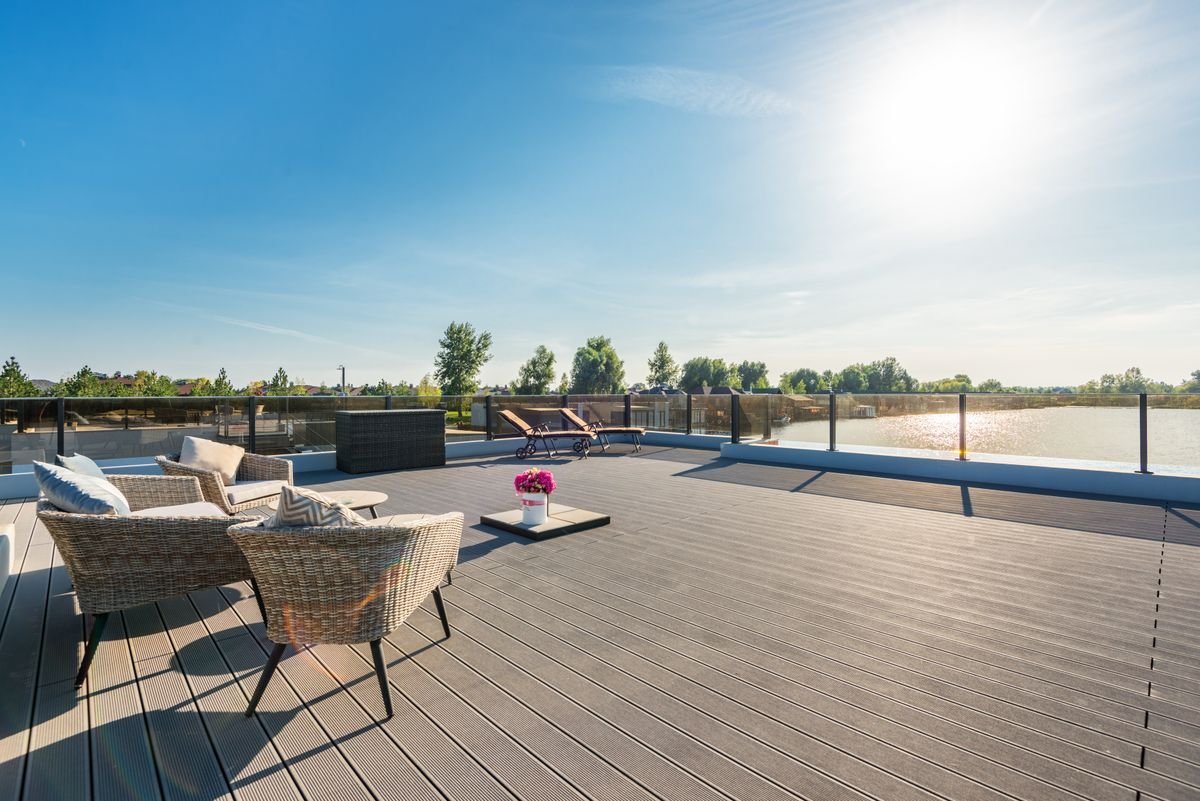
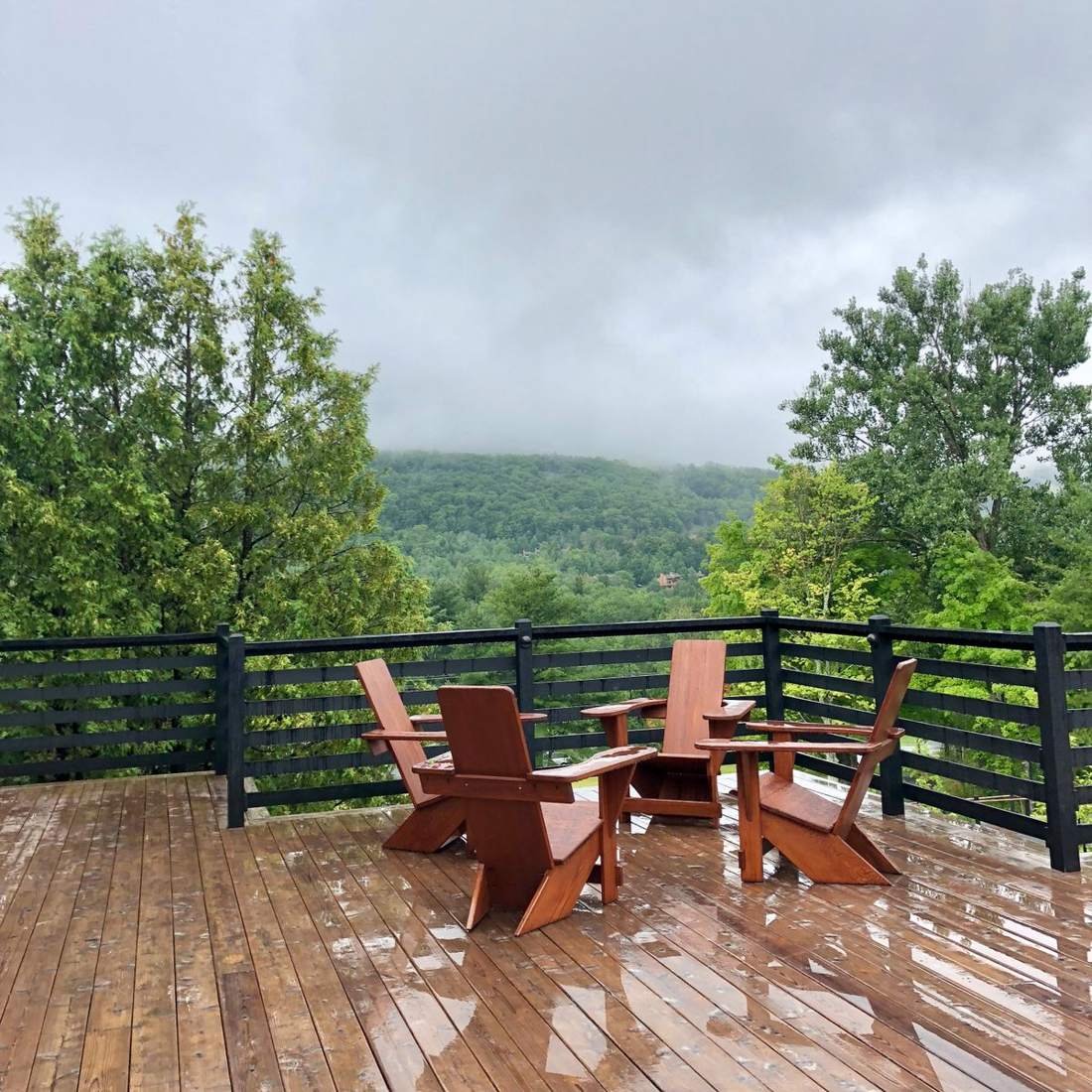
- Custom decks
- Pergolas & patio covers
- Structural & decorative wood beams
- Outdoor living spaces
Building a deck, adding wood beams, or putting up a pergola comes with a lot of honest questions, so we gathered the ones Utah County homeowners ask us most and answered them straight. We're a family-owned, licensed and insured Utah builder and part of the Rooval family of companies alongside Rooval Roofing, so if your question isn't here, just call and we'll talk it through.
💰Cost & Financing
How much does a custom deck cost in Utah County?
Most custom decks we build land between $18,000 and $35,000 fully installed, with larger multi-level and second-story builds running higher. As context, that works out to roughly $25 to $90 per square foot installed depending on the decking material and how high the deck sits off the ground. We give you a firm, itemized number after we walk your yard, not a guess over the phone.
How much do interior wood beams cost?
A larger structural or whole-room beam project typically runs $15,000 to $25,000 once you factor in engineering and finish carpentry, while a single decorative beam or a mantel is a much smaller job. Beam work is priced per project because cost depends on span, wood species, your ceiling, and whether the beam actually carries load. We quote every beam in writing after a free on-site look, never by the linear foot.
How much does a pergola cost in Utah?
Basic pergolas commonly run $4,000 to $12,000 or more installed, depending on size and material, and larger timber-frame, attached, or louvered structures go higher. Solid-roof pavilions are engineered like a small building, so those are priced separately. Because so much rides on size and roof type, we walk your yard in person and give you a written project number rather than a per-post rate.
Can I finance my deck or beam project?
Yes. We arrange financing through our lending partners right on your estimate, so you can build now and pay monthly. On a typical deck, example plans start around $228 a month at 8.99% APR on a 10-year term, with a larger $35,000 build closer to $443 a month (example at 8.99% APR, on approved credit; actual terms vary by lender and credit profile). The same option applies to interior beam projects.
What credit score do I need to finance?
There's no single cutoff, and our lending partners offer options across a range of credit profiles, though scores around 680 and up tend to see the best rates. The initial check is a soft credit pull, so finding out your options won't affect your score. We can't promise approval for anyone; the lenders make that call.
Is it better to finance or pay cash?
Cash is always the cheapest total cost because you pay no interest, and some homeowners phase the work to spread cost without borrowing. Financing makes sense when you want to use the deck this summer, keep your emergency fund intact, and the monthly payment fits comfortably. If it doesn't fit comfortably, build smaller or phase it, and we'll tell you that to your face during the consult.
📋Permits, HOA & Code
Do I need a permit for a deck in Utah?
Usually, yes. Under the 2021 IRC adopted statewide, attached decks and any deck more than 30 inches above grade typically require a building permit. We pull the permit, handle the drawings and submittal, and schedule inspections on every qualifying job.
Do I need a permit for a pergola?
It comes down to size, attachment, roof, and wiring. A one-story detached pergola of 200 square feet or less is generally exempt, but attaching it to the house triggers a permit at any size, solid-roof pavilions need a permit and usually engineering for snow load, and any hardwired electrical needs its own permit. Cities layer their own rules on top, so we confirm with your building department before we build and handle the paperwork.
Do interior wood beams require a permit?
Not for decorative or faux box beams, which are treated like trim. Structural beams that carry load, like a ridge beam or a beam replacing a load-bearing wall, require a Utah-licensed engineer's stamped design and a city building permit under the 2021 IRC. We manage both for you, which is where most beam companies tap out.
Do I need HOA approval too?
Often, yes. Many Utah County subdivisions such as Traverse Mountain, Saratoga Springs, and Eagle Mountain require HOA architectural approval before you build, so we'd budget a couple of weeks for sign-off. We're happy to help you get your design in front of the committee.
How much do deck permits cost in Utah County?
Deck permits in Lehi and Utah County generally run $150 to $500, and complex or heavily loaded designs may also need stamped engineering as an added cost. That permit and the inspector's signature are part of what you're paying for, and we build every project to pass inspection.
❄️Utah Weather & Durability
How deep do footings need to go in Utah soil?
Utah County's frost depth is roughly 30 inches, and footings poured shallower than that heave with every freeze-thaw cycle, which is why older decks go wavy and pull away from their railings. We excavate below frost depth, typically 30 to 36 inches, and pour footings sized to the load and soil. Post bases lift the wood off the concrete so it can't wick moisture.
How do you build for Utah snow loads?
Ground snow load along the Wasatch Front runs roughly 30 to 43 psf depending on your city and elevation, well above the generic minimums national span charts assume. We size joists from the IRC span tables at the governing snow load for your site, run 16-inch on-center spacing (tightened to 12 inches for heavier boards), and use doubled rim joists with mechanical hangers at every connection. Skipping this is how decks fail early.
Will a pergola hold up under Utah snow and canyon wind?
A properly sized one will. Open-slat tops shed most snow, but we still size posts and beams for drift and wind per the 2021 IRC, and solid-roof pavilions are engineered for the full 40-plus psf ground snow load. The kits that collapse are the ones built with undersized 4×4 posts for a milder climate.
How do you protect a deck frame from moisture and rot?
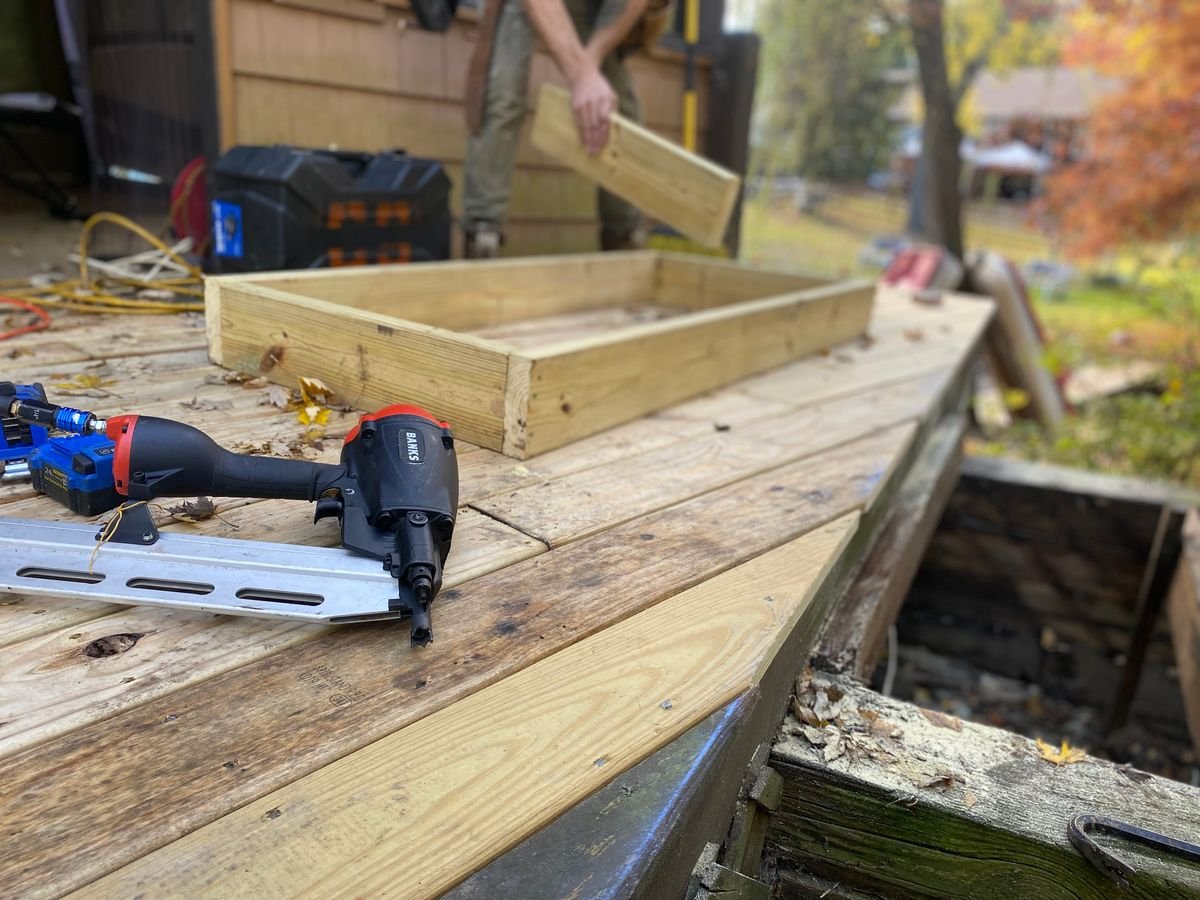
Modern pressure-treated lumber is corrosive to ordinary hardware, so we use hot-dip galvanized or stainless-steel fasteners, hangers, and connectors throughout. We also apply butyl joist tape over the tops of joists and beams before decking goes down, which seals every screw penetration. It's the single cheapest thing a builder can do to add years to a frame under Utah's snowmelt cycles.
How does Utah's high-altitude sun affect my deck?
Utah County sits at roughly 4,500 to 5,500 feet, where thinner atmosphere means noticeably stronger UV that grays natural wood and fades finishes faster than at sea level. That's why many homeowners upgrade to composite for the long haul, and why a pergola or shade structure over a west-facing patio protects everything underneath it, furniture included.
🪵Materials & Wood
What decking materials do you build with?
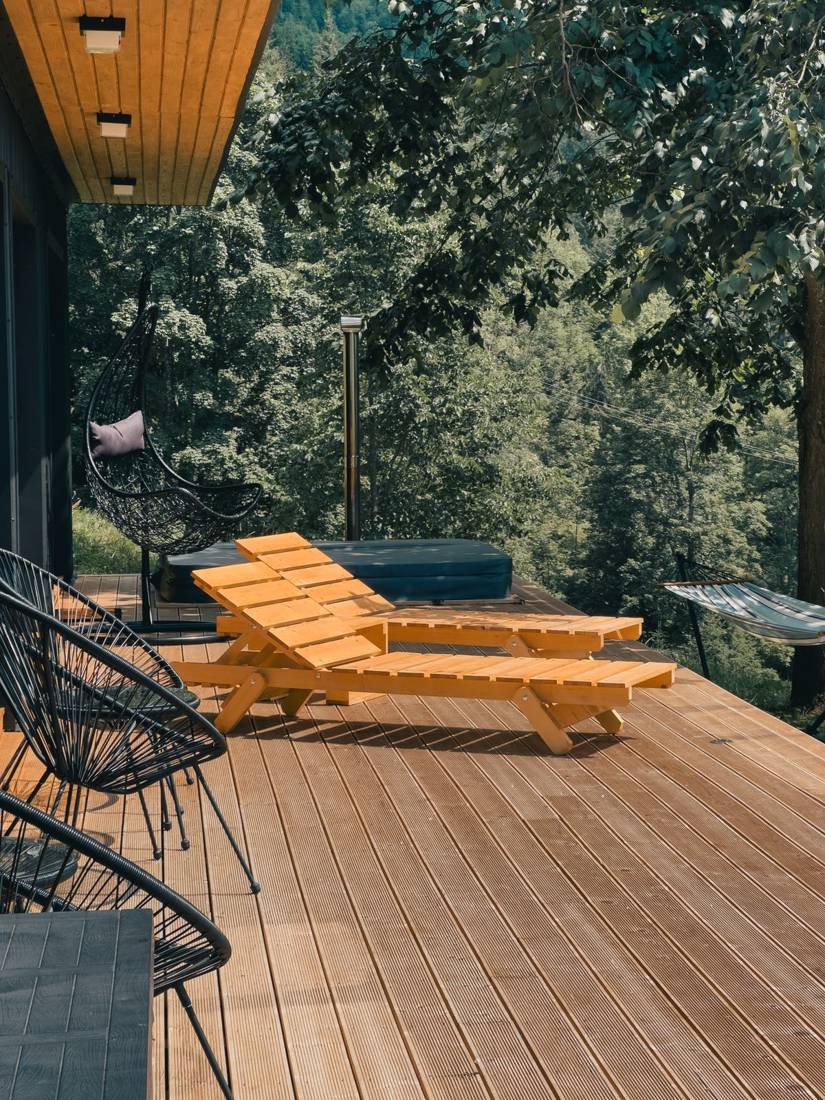
We build custom decks in pressure-treated pine ($25 to $40 per square foot installed), western red cedar ($35 to $55), redwood ($40 to $60), and capped composite in the Trex or TimberTech class ($45 to $90). Wood species sit in the middle on price and take stain beautifully; composite costs more up front but skips the every-two-to-three-year staining our dry, high-UV summers demand. We'll walk you through the trade-offs honestly at the consult.
Is composite decking worth it in Utah?
For most homeowners, yes. The higher up-front cost is offset by no staining, strong UV and freeze-thaw resistance, and a 25 to 30-plus year lifespan, versus the ongoing seal cycles wood needs in our climate. Under our intense altitude UV, wood decks often need meaningful repair around the 12 to 15-year mark while quality composite holds its finish far longer.
What's the difference between structural, decorative, and faux box beams?
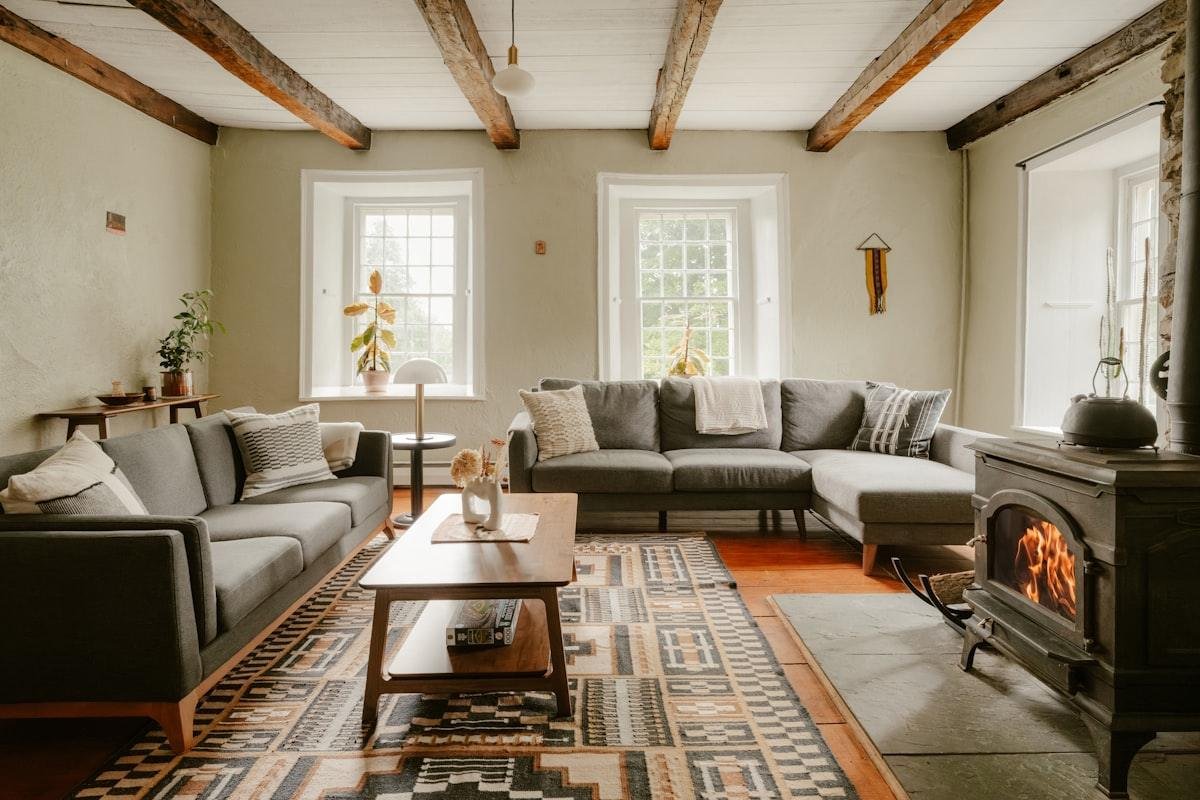
Faux or box beams are three-sided hollow boxes built from real wood like knotty alder, cedar, or fir (or foam) and mounted over cleats, so they add character but no load and need no permit. Solid decorative beams are full-dimension timber mounted for looks, engineered to the framing but still not carrying the house. Structural beams actually hold something up and require an engineered LVL or glulam, an engineer's stamp, and a permit every time.
Which wood species work best for beams in Utah homes?
Four species cover almost every look. Knotty alder is the Utah favorite because it stains to match the alder cabinets already common in local homes; cedar is lighter and great for box beams and vaulted ceilings; Douglas fir is the classic structural timber when a beam is doing real work; and reclaimed timber brings genuine saw marks and patina you can't fake. We bring sample blocks to the consult so you approve the finish first.
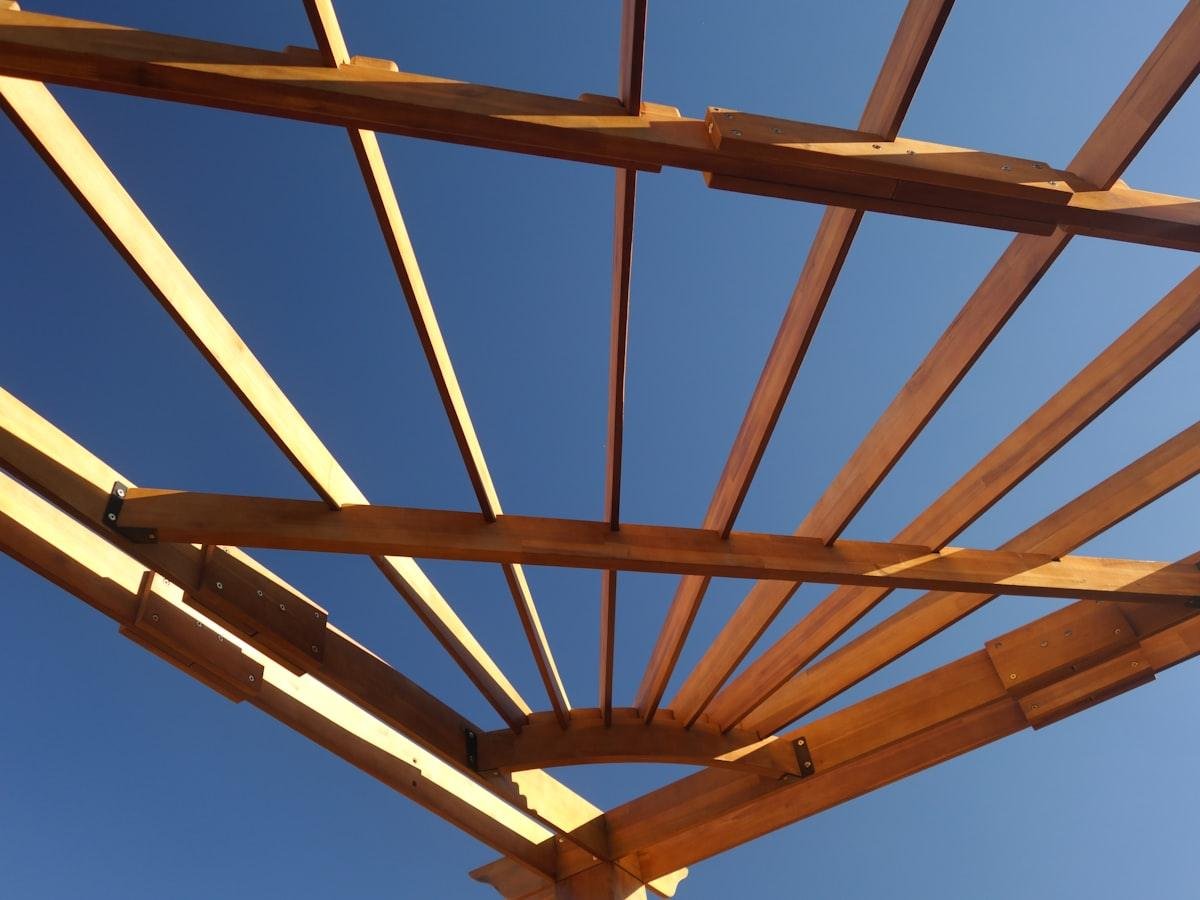
Cedar or metal for a pergola here?
We build in wood, not powder-coated aluminum. Cedar gives natural rot resistance and looks, and on long spans we frame in Douglas fir or engineered timber for strength and wrap it in cedar for the grain. Wood handles Utah's freeze-thaw swings well, is easy to repair or restain, and matches a cedar or composite deck in a way metal can't.
Will faux box beams look fake?
Real-wood box beams built from knotty alder, cedar, or fir are indistinguishable from solid timber from the floor, with mitered corners on the parts you see up close. Foam beams are cheaper and lighter but read as faux up close, so we typically recommend them only for very tall ceilings where nobody will stand next to them.
🔨Process, Timeline & Warranty
What does the process look like from first call to build?
It's three simple steps. Call us or send the form, we come out for a free on-site measurement and design consult where we talk materials and options honestly, and you get a clear, itemized written quote within 48 hours. No pressure and no games.
How long does it take to build a deck?
A standard single-level deck usually takes about 1 to 2 weeks of build time once permits and any HOA approval are in hand. Multi-level and second-story projects take longer because of the taller posts, deeper footings, and extra bracing involved.
How long do interior beams take to install?
A mantel or a few box beams in a kitchen is typically one day, and a vaulted great room with multiple decorative beams runs 1 to 3 days. Structural projects vary with engineering and permit timelines, commonly 2 to 6 weeks start to finish, with the on-site work itself taking 2 to 5 days.
What does your warranty cover?
Every project comes with a 5-Year Workmanship Warranty, in writing, before we start. It covers defects in our labor and installation, the things that fail when a deck is built wrong, including ledger attachment, footings, framing connections, railing security, and beam mounting. If any of those fail because of our workmanship within five years, we fix it at no charge.
What isn't covered by the warranty?
The workmanship warranty doesn't cover normal weathering of natural wood (cedar and redwood gray and need periodic sealing, which is the material, not the build), homeowner modifications made after we finish, or acts of nature beyond what the deck was engineered for. Manufacturer warranties on composite decking (25 to 50-year fade and stain coverage) pass straight through to you, and we help you file those claims. To make any claim, just call
(801) 671-4062, no forms or runaround.
🏡Design, Care & Getting Started
Are you licensed and insured?
Yes. Rooval Deck & Beam Builders is a licensed and insured Utah builder (DOPL license #13861046-5501), owned by Matthew Thompson and based in Lehi. We're a DBA of Rooval LLC and part of the Rooval family of companies, sister company to Rooval Roofing.
You're a newer company, so why should I trust you?
We'll be honest: the deck and beam side is newer, but it's run by the same family and the same crew and standards behind Rooval Roofing, which is 5-star rated in the community. We back every job with a written 5-Year Workmanship Warranty and pull real permits, so you're not taking our word for the quality, you're getting it in writing.
What areas do you serve?
We're based in Lehi and build throughout Utah County and the south Salt Lake Valley, including Saratoga Springs, American Fork, Highland, Orem, Provo, and Draper. If you're near there and not sure, just call and ask.
Should I build a deck and pergola together?
If you're planning both, build them as one project. When we design a deck with a pergola from day one, the deck framing is engineered to carry the pergola posts, the hardware hides inside the frame, and it's one crew, one permit process, and one timeline. Bolting a pergola onto an existing deck later usually means added footings and opening up decking, which costs more and never looks quite as clean.
How do I care for my finished deck?
Real wood like cedar or redwood needs sealing or staining every 2 to 3 years to hold up against our dry, high-UV summers, while capped composite just needs the occasional wash with no staining. We'll walk you through the upkeep for whatever material you choose so there are no surprises down the road.
How do I get started?
Call us at
(801) 671-4062 or send the form on our site, and we'll set up a free on-site measurement and design consult. We'll walk your space, talk materials, and get you an honest written quote within 48 hours, whether you're picturing a deck, beams, a pergola, or all three.
Ready for your honest number? Call the Rooval family at (801) 671-4062 for a fre
Call or text (801) 671-4062